Observations on the details, decisions and craft that shape the way we see gemstones.
JAVAAZ Editorial · 19 September 2026
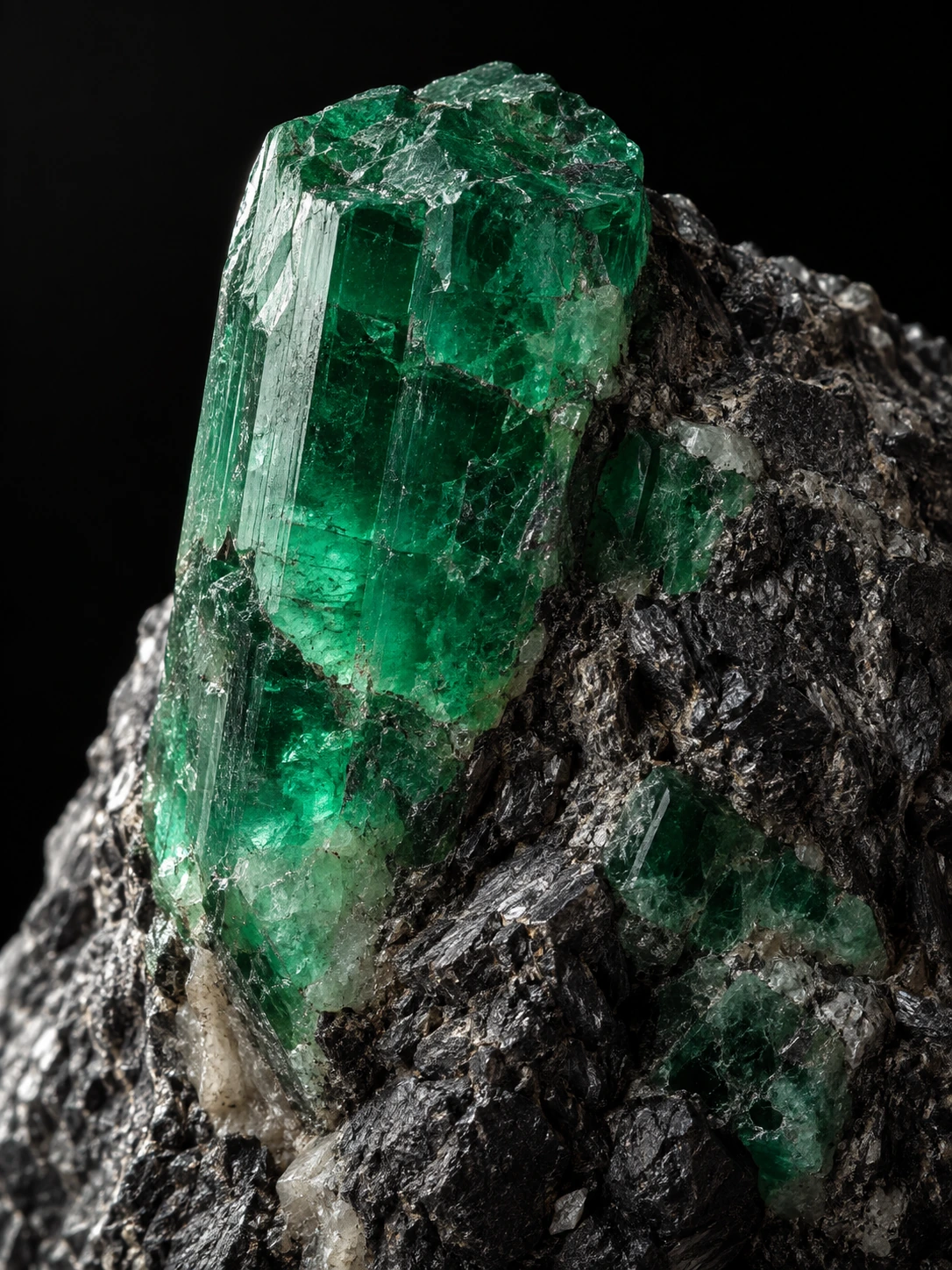
The green of Swat emeralds
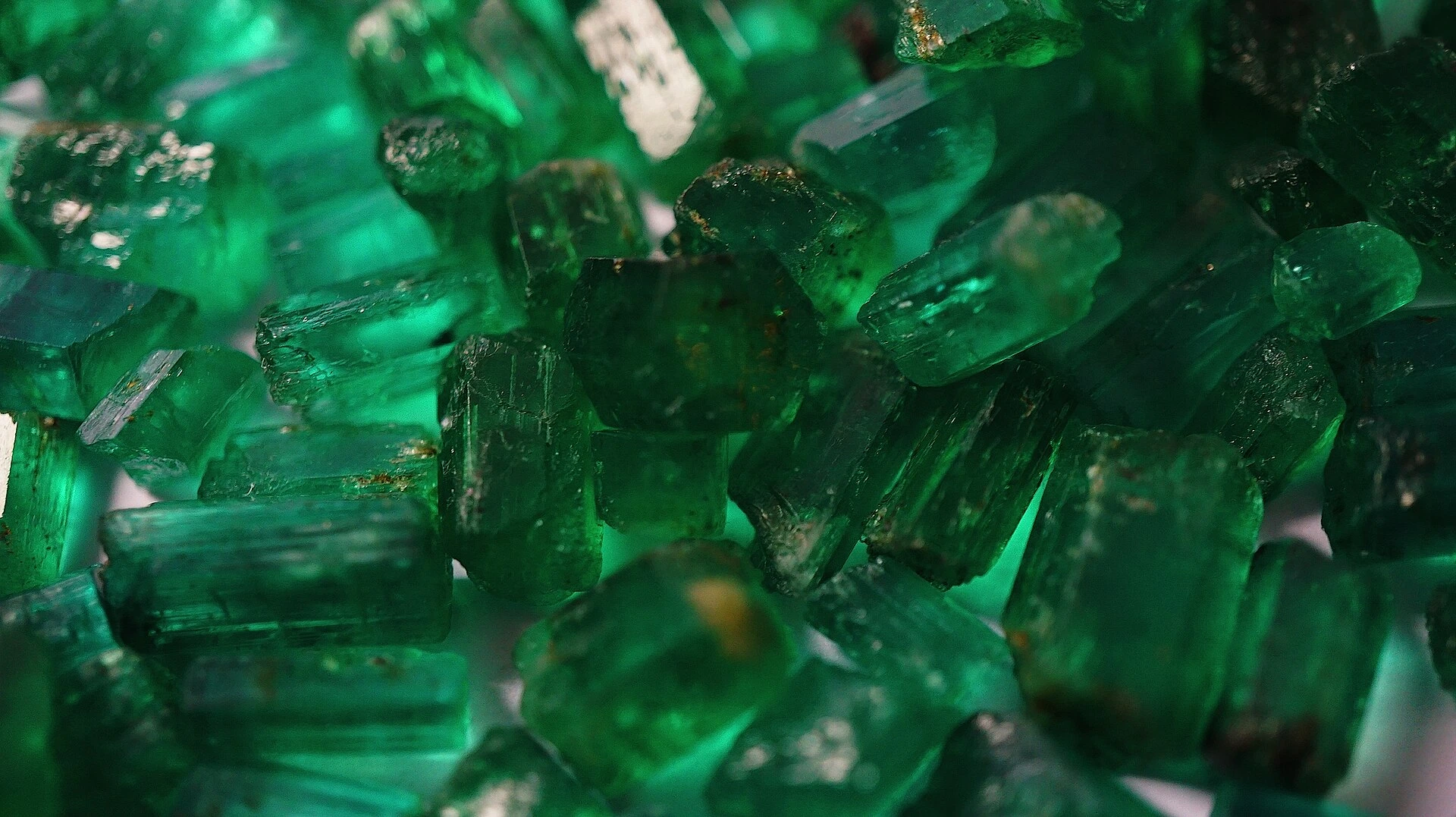
Swat, in Khyber Pakhtunkhwa, is an established emerald-producing region. Research published by GIA describes the area's emeralds as notable for saturated colour, including in small stones.
Colour is only one part of a rough crystal's character. Crystal form, transparency and internal features vary between specimens. Laboratory examination can reveal information that a photograph alone cannot establish.
When discussing a particular stone, ask for its measurements, treatment disclosures and supporting source information. A region's reputation does not establish the quality or origin of every green gemstone.
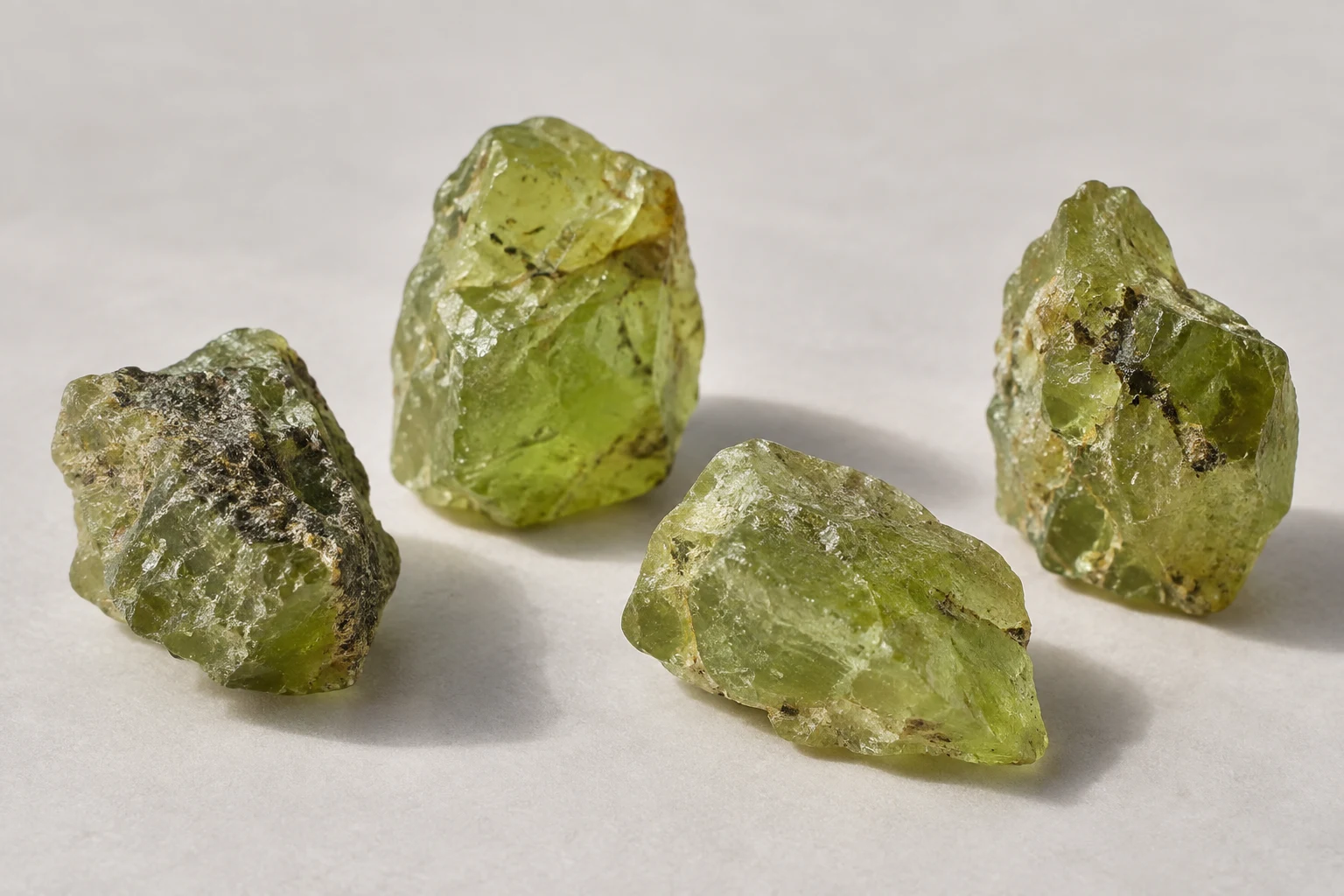
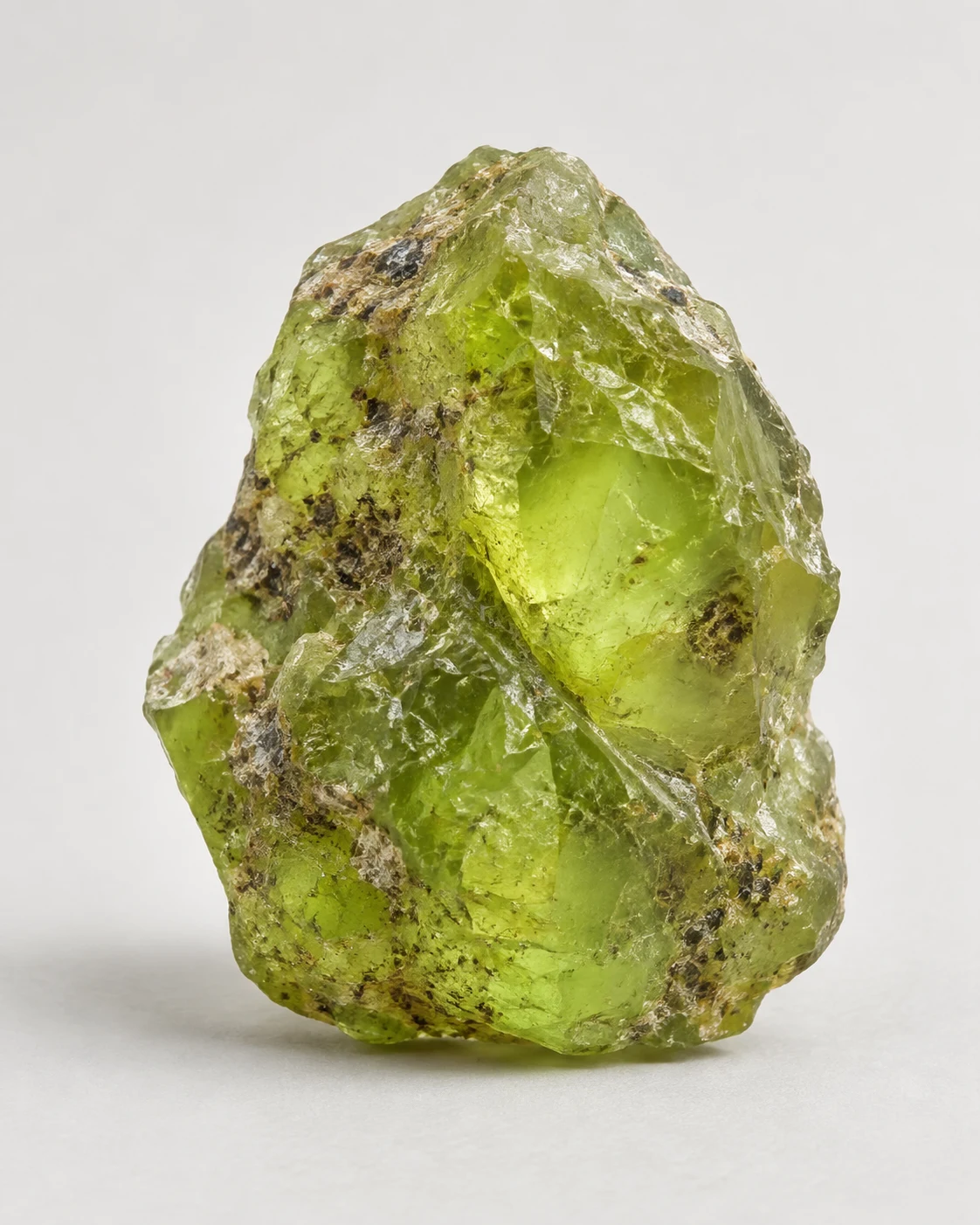
Peridot is the gem variety of olivine. Its colour ranges through yellow-green and green, giving it a different appearance from emerald. Pakistan is among the sources associated with fine peridot.
With rough material, consider the whole piece: colour, transparency, shape, dimensions and fractures. These observations help frame a conversation about its potential, but they do not predict a guaranteed cutting result.
Ask for neutral-light photographs from more than one angle and information about the particular offering. Photographs illustrate appearance; they do not replace inspection.
The proposed Javaaz Standard · Operational confirmation pending
The proposed preparation process begins with a mine and batch reference. Keeping that reference connected to the material allows source information to accompany later sorting and sale preparation.
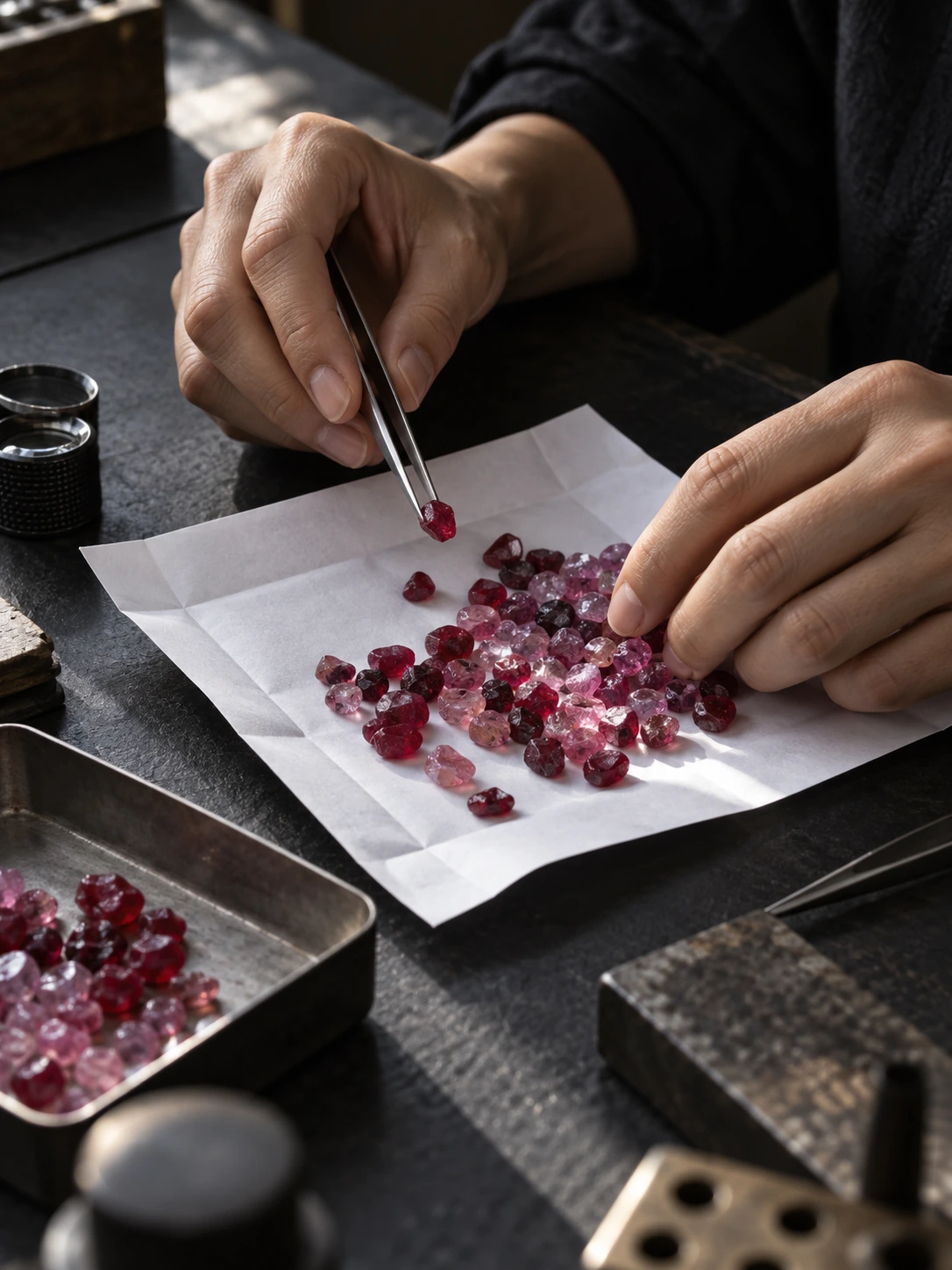
Assessment considers the gemstone, colour, transparency, size, crystal form and visible inclusions or fractures. Grouping the material into a parcel should be followed by weighing, photographing the complete offering and recording relevant observations.
A buyer should receive the parcel reference, weight, photographs, known treatment information and testing status. Inspection arrangements and sale conditions belong to the individual offering. Contact Javaaz to discuss the records available for a particular parcel.
01 / Understanding
Looking beyond the surface.
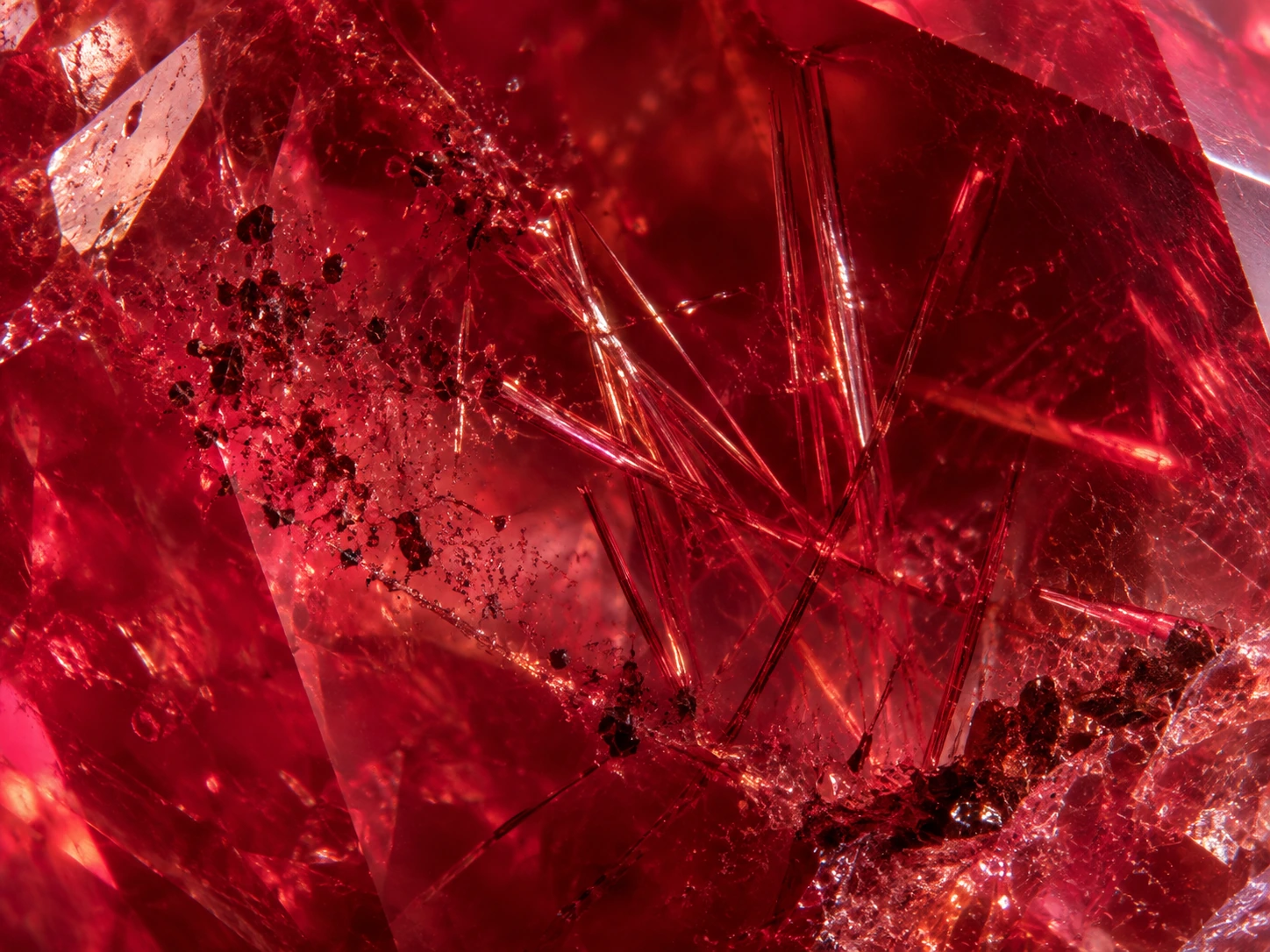
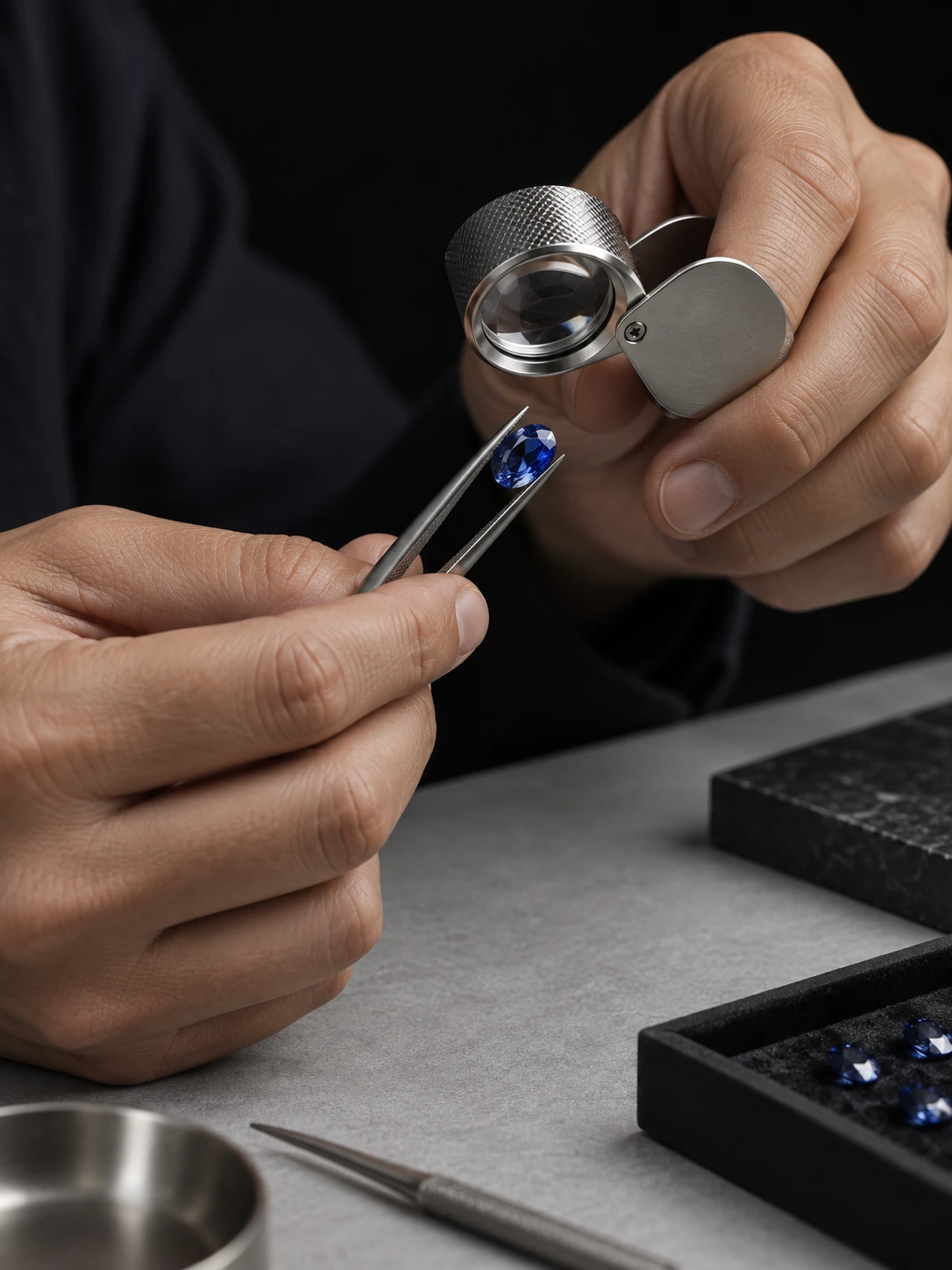
A gemstone’s surface is only the beginning. Features within a crystal can offer clues about its growth and subsequent history. Understanding them requires a combination of careful observation, instruments and experience.
A beautiful photograph cannot replace that examination. Ask what has been tested, what a report says and which details remain uncertain.
02 / Craft
The art of seeing possibility.
Before a rough crystal is cut, a lapidary considers its shape, colour distribution, inclusions and potential yield. A decision to preserve weight can differ from a decision to emphasise colour or symmetry.
The result is a balance of natural material and human judgement. The work is as much about what to preserve as what to remove.
03 / Colour
A richer language of colour.
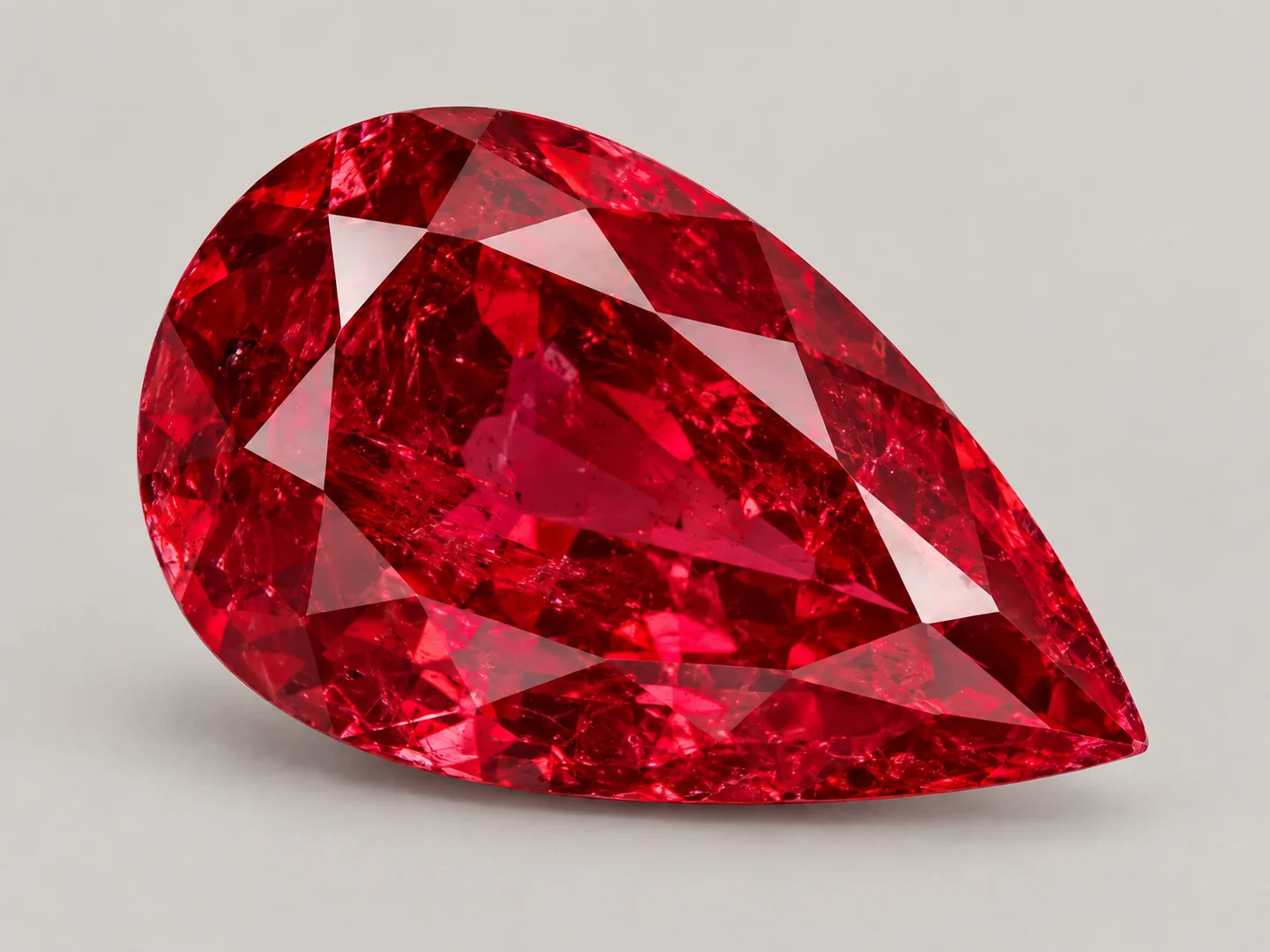
Green, red and blue are beginnings, not complete descriptions. A green can lean toward blue or yellow; a red can lean toward orange or purple. Tone describes lightness and darkness, while saturation describes the strength of the colour.
Observe stones in ordinary daylight and suitable indoor lighting. Photographs and screens can shift colour, so they should support a conversation rather than settle it.
04 / Field notes
Geography is context.
Gemstone deposits occur within particular geological environments. A named region can be meaningful, but the individual specimen, its documentation and its characteristics still deserve the closest attention.