(Mg,Fe)₂SiO₄
Olivine
Magnesium, iron, silicon and oxygen form the olivine mineral structure.
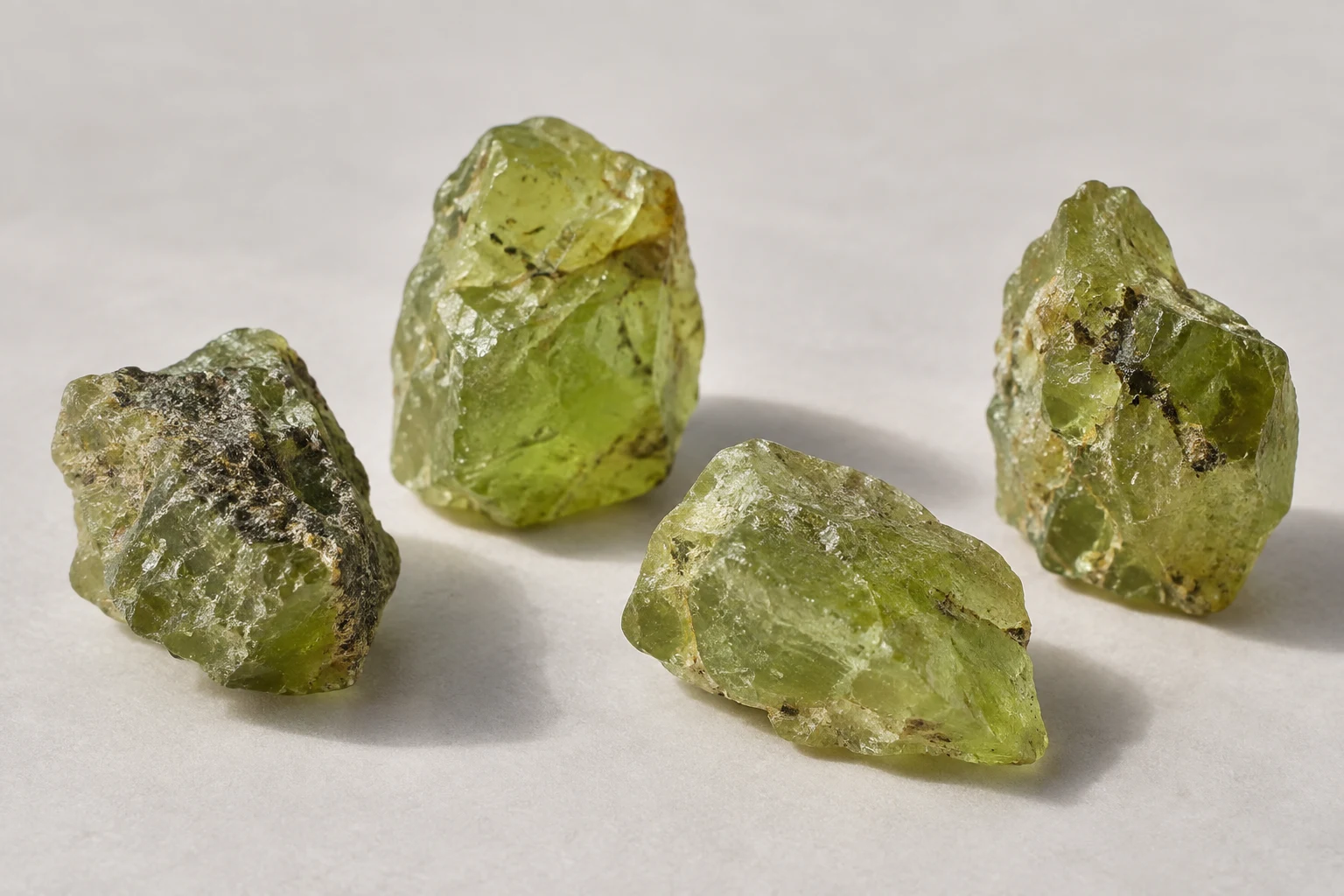
Peridot is the gem variety of olivine. Its yellow-green colour offers a fresh contrast to emerald and ruby.
Discover the client-supplied peridot photographs and films, from a single faceted stone to a selection of cuts. Ask about current availability and individual details.
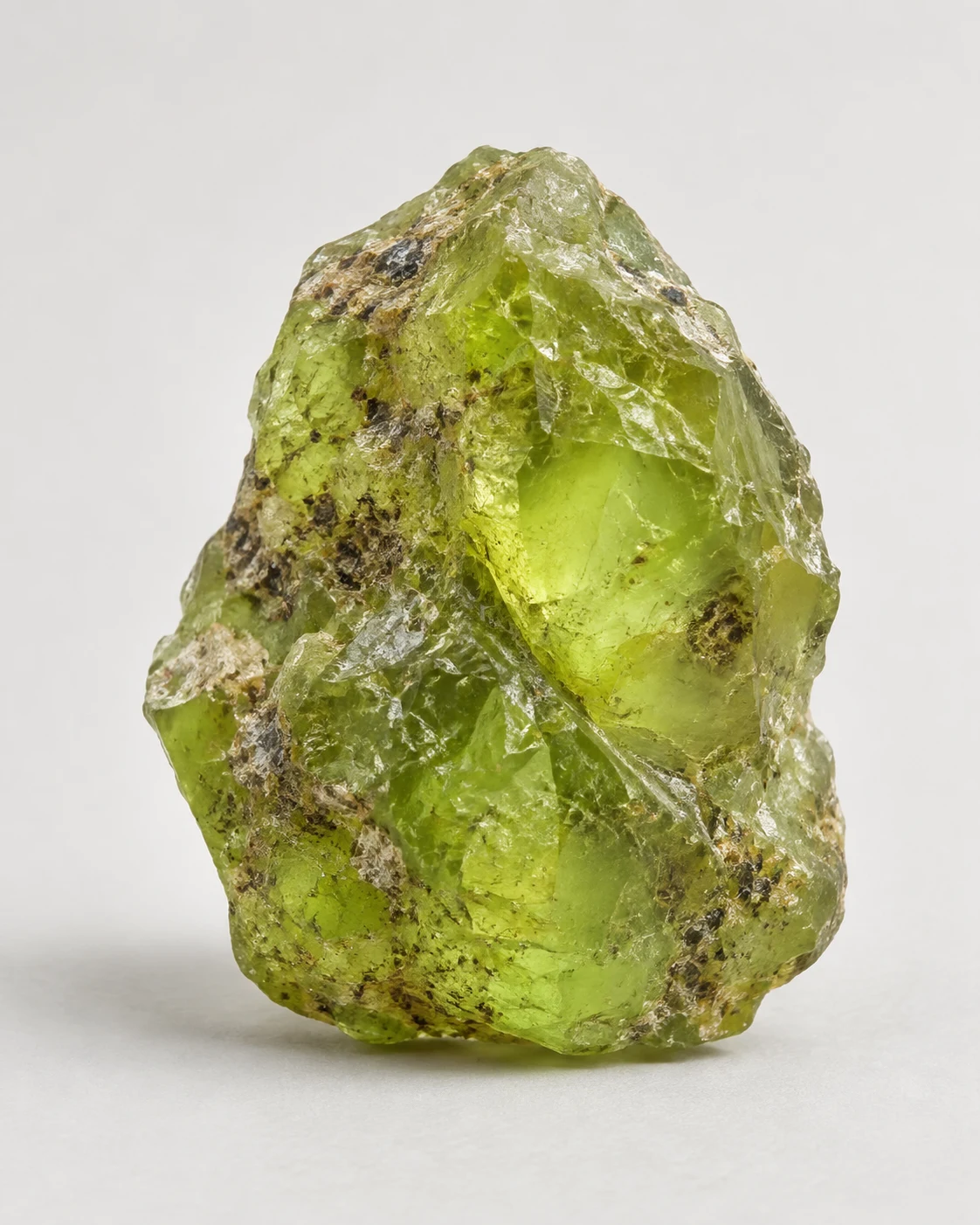
Magnesium, iron, silicon and oxygen form the olivine mineral structure.
Iron is part of its composition and produces its yellow-green colour.
Transparent gem-quality olivine is known as peridot.
Natural features and the arrangement of facets influence how a peridot appears. Examine each stone individually and request its supporting details.
Client-supplied footage of the gemstone. Internal features require individual examination.Consider hue, tone and saturation together, observing the stone in different lighting.
Look closely at internal features and ask how any inclusions or treatments affect appearance and care.
Proportion, symmetry and polish influence how light moves through a stone and how its colour appears.
A closer look
A closer look
A closer look
A closer look
Explore the gemstone from different perspectives. Enquire for current availability and details of each offering.
01Peridot belongs to the olivine mineral group.
02Iron produces its characteristic colour.
03Peridot measures 6.5–7 on the Mohs scale.
04A carat measures weight rather than size.
05Protect it from sharp knocks.
06Ask for the details of the individual stone.
07Cut changes how light travels through the gem.
08Images support an enquiry; availability is confirmed individually.
Pakistan is an established source of peridot. Origin, treatment and testing information should be confirmed for the particular stone being offered.
Explore origin & documentationGemological reference: GIA Peridot